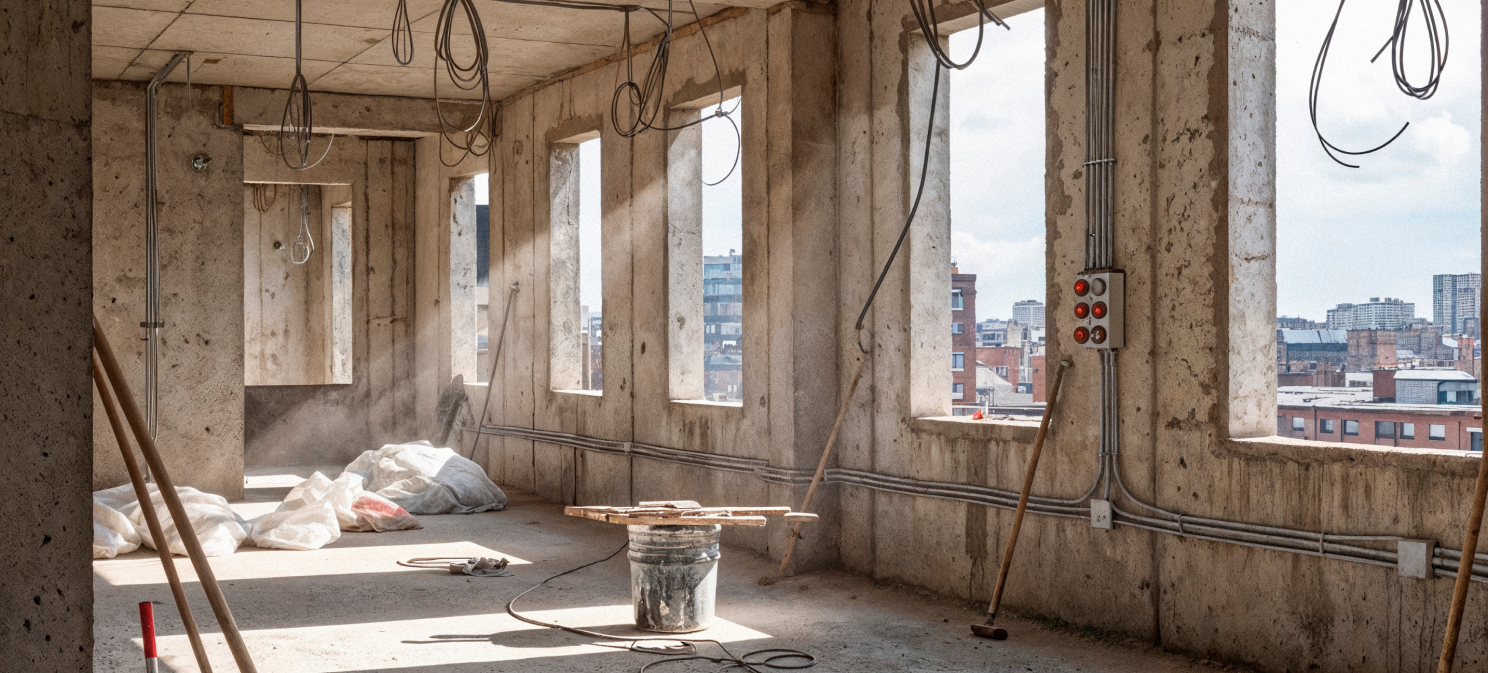
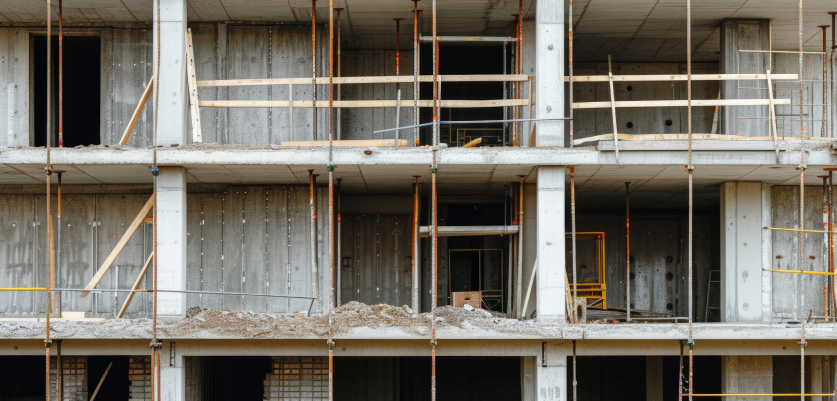
So you've finished construction. The thrill of the new floor, the fresh paint, and the new partition walls are exactly what you imagined. You're excited to move back in and start using the space. But wait — "there's the dust left behind".
Construction dust is more than just an eyesore. It's a serious health hazard that most people severely underestimate. Let's talk about what it actually contains, what it can do to your health, and why a proper post-construction clean is non-negotiable.
What is Construction Dust Really Made Of?
Construction dust isn't just concrete powder. It can be a complex mixture of:
- Silica dust (from brick, stone, and mortar) — one of the most dangerous!
- Wood dust (from sawing and sanding)
- Drywall and plaster dust
- Fibres from carpets and insulation textiles
- Hazardous particles from insulation
- Lead particles (especially in older buildings)
- Asbestos fibres (in very old structures)
- Mould spores disturbed during demolition
Many of these particles are so fine they're invisible to the naked eye — which makes them even more dangerous. They float in the air for hours and can enter the deepest crevices of your space.
The Health Risks You Need to Know
Respiratory Problems: Fine dust particles penetrate deep into the lungs. Short-term exposure causes coughing, sneezing, and irritation. Long-term or repeated exposure can lead to chronic bronchitis, asthma, and in the worst cases (dust as silica), long-term lung related disease.
Eye and Skin Irritation: Dust particles can irritate the eyes, causing redness, dryness, and inflammation. Some construction particles can cause skin irritation or allergic reactions on contact.
Aggravated Allergies: If you or someone in your household has allergies or asthma, construction dust is a massive trigger. Even after visible dust is gone, microscopic particles can remain airborne and embedded in soft furnishings for weeks.
Contaminated Surfaces and Food: Dust settles on all other surfaces, cutlery, and uncovered food items. Ingesting these particles — even in small amounts — can cause digestive issues.
Why Regular Cleaning Isn't Enough After Construction
Basic mop-and-bucket cleaning won't cut it after construction. Here's why:
- It can't filter the particles, trapping and redepositing dust back into the air.
- Sweeping stirs up the particles back into the air rather than removing them.
- Regular mops spread dust rather than lifting it.
- Dust hides in air vents, doors, and ceiling corners.
- It embeds in carpets, upholstery, and curtains.
- HVAC systems can recirculate particles throughout the building.
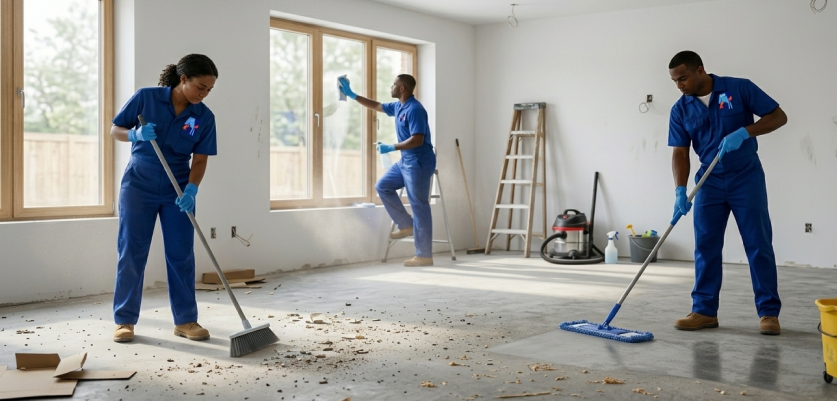
What Post-Construction Cleaning Actually Looks Like
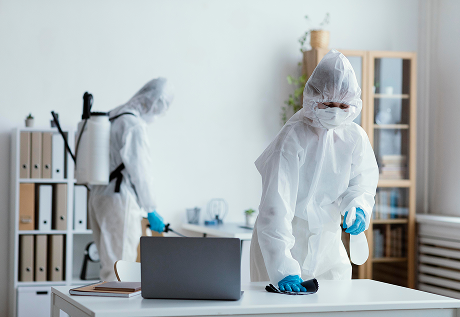
A professional post-construction clean includes:
- HEPA-filter vacuuming of all surfaces, including walls and ceilings
- Cleaning and wiping all air vents and ducts
- Using specialized non-abrasive yet appropriate cleaning solutions
- Deep cleaning of carpets and upholstery
- Cleaning inside cabinets, drawers, and wardrobes
- Sanitizing bathrooms and kitchen areas thoroughly
- Removing debris and paint residue
- Sanitizing the space
Don't Move In Until It's Done Right
We understand the excitement of a freshly renovated space to move into. But don't let cleaning be the one thing you compromise on. It's about your health — and the health of everyone who uses the space — depends on it.
PABCLEAN specializes in thorough post-construction cleaning for homes and offices across Nigeria. Let us handle the after-effects so you can enjoy the results safely.
.png)
.png)